

How We Learned to Fight Perimenopause, Not Each Other

One of the absolute hardest parts of this perimenopausal journey for me hasn’t been the hot flashes or the unpredictable waves of emotions. It’s been looking at the person that I love and realizing that my body and brain don’t respond the way they used to.
Nobody genuinely prepares us for the possibility that our libidos can change so dramatically. It’s not just about wanting sex less often. Oftentimes, it’s struggling to feel interested in physical intimacy at all.
Sometimes it’s my wanting to want intimacy but my feeling so disappointingly disconnected from my own body. Sometimes it’s realizing that physical gratification isn’t at all as easy to achieve as it used to be. This can start to feel defeating, confusing, and even lonely.
Featured Forum
View all responsesI wondered if there was something wrong with me
For a while, I found myself wondering what was “wrong” with me. Then I learned the answer wasn’t that something was fundamentally wrong, just that my hormones were changing. What I didn’t realize at first was that my partner was confused, too. He was taking my shifts personally, causing him to believe he was doing something wrong, and was to blame for my shifts.

The truth is, I don’t think most men come into relationships with a deep understanding of what estrogen, progesterone, and fluctuating hormones actually do to women. Unless they’ve made a concerted effort to learn, they may not ever understand why someone who was affectionate, interested in sex, or emotionally regulated can suddenly seem like a different person, a stranger even. Without context, it’s shockingly easy to just assume that your partner has lost all interest in you or is making some lame excuses.
We had to learn together
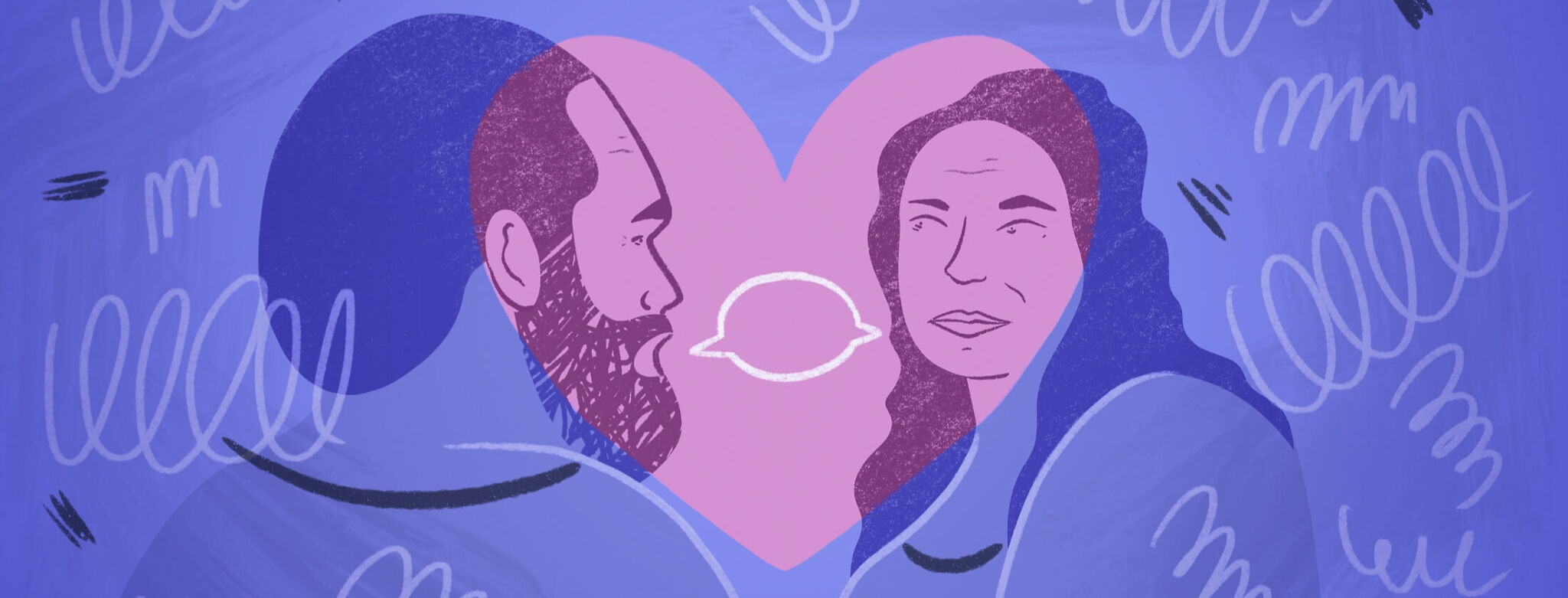
That’s why I stopped trying to explain it to my partner in passing and sat down to have a real conversation about it.
Instead of continuing to say, “It’s my hormones,” I explained what was actually happening. We looked up information together. We watched doctors explain the hormonal shifts of perimenopause in a way that he understood. We listened to several women describe experiences that sounded exactly like mine. The more that we learned, the less personal it became to him.
It changed the conversation from, “Why don’t you want me? What am I doing wrong?” to, “I’m sorry you’re dealing with that, and how do we navigate it together?”
That shift was everyyyyything.
Education became an act of survival for our relationship
We’ve often wondered how many relationships breakdown from NOT having this educational method in play. These conversations created empathy where there had been so much confusion. It replaced defensiveness with curiosity. My partner stopped seeing my symptoms as something directed at him and started recognizing them as something that we were facing together.
It didn’t magically fix my libido. It didn’t erase the hormonal roller coaster that I’m sometimes on. But it removed the guilt and misunderstanding that were making everything even harder. Especially with my loved ones.
If you’re in perimenopause and your partner or family members are struggling to understand what you’re experiencing, don’t assume they just know. Because they don’t. Many simply haven’t ever been taught about it. I hadn’t even heard about it, until I was in it. They may know menopause exists, but not the years of hormonal fluctuations that can happen beforehand or how deeply those changes can affect mood, sleep, anxiety, memory, and emotional regulation.
My advice: Invite your partner into your experience with you
Watch a video together. Read an article together. Listen to a menopause specialist explain what’s happening inside your body. Sometimes hearing it from a physician or expert helps people to understand that this isn’t about rejection at all, it’s about biology. Perimenopause can absolutely test a relationship. But I’ve learned that education can strengthen one, too.
You don’t have to fight your hormones alone, and your partner doesn’t have to play a guessing game on what you’re going through. Understanding won’t solve every single symptom, but it can build compassion. Sometimes, compassion is exactly what keeps two people connected while everything else feels like it’s changing.
Hang in there, ladies.
Join the conversation