

Living With Menopause and Perimenopause

Reviewed by: HU Medical Review Board | Last reviewed: February 2026 | Last updated: February 2026
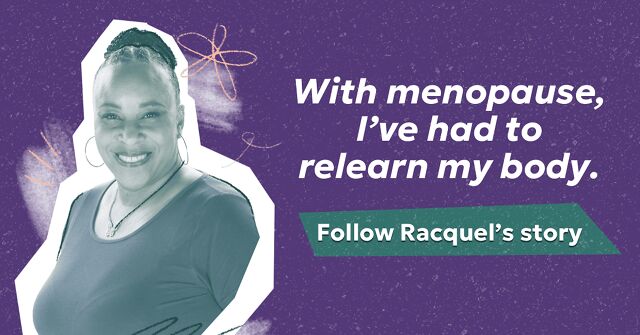
Menopause is a natural part of life that marks the end of the time when you can get pregnant. Perimenopause is the time leading up to menopause. During this time, your body makes less estrogen. These changes can affect your body and your feelings.1
Coping with this next phase of life
Your body goes through many changes during perimenopause and menopause. You may have hot flashes and night sweats. You might also find it hard to sleep. To feel better, there are lifestyle changes you can adopt that can help. For example, you can wear layers of clothes so that you can take off a layer if you feel too warm. You can also keep your bedroom cool in order to sleep better.1
Menopause affects your emotions, too. You may feel sad, anxious, or moody. It is okay to feel this way. Sharing your feelings with friends or family can help. You can also join an online community or in-person support groups to talk with others who have similar experiences.

Many people find support with licensed therapists who can help provide tools to cope with these life changes and emotions. If your feelings become too hard to manage, consider talking with a healthcare professional.1
Sexual health and menopause
Menopause can change your sexual health. Lower levels of estrogen may cause vaginal dryness or changes in vaginal support. This can make sex feel painful or uncomfortable. You may feel differently about your body as it changes. Many people also find that their interest in sex changes.2
There are ways to help with these changes:2
- Use water- or silicone-based lubricants during sex. These include KY Jelly, Astroglide, and Uberlube.
- Use vaginal moisturizers like Replens to keep the area hydrated.
- Use vaginal estrogen to help with dryness and thinning of the vaginal lining.
- Talk with your partner about your needs and feelings.
Healthy communication can make a big difference in your sexual health. Do not be afraid to discuss these topics with your doctor and with your partner. This can be an important time to strengthen your relationship.2,3
Your doctor can also direct you towards treatments like vaginal estrogen therapy or medications for libido like flibanserin. Individual or couples therapy can be helpful at this time as well.2,3
Staying active with menopause
Staying active is very important during menopause. Exercise helps keep your bones strong. It also helps you maintain a healthy weight. Physical activity can even improve your mood and help you sleep.3
You do not need to do hard workouts to stay healthy. Here are some easy ways to stay active:3
- Take a walk in the morning or at night.
- Try swimming or water aerobics.
- Practice yoga or stretching.
- Focus on lifting weights to strengthen your muscles and protect your bones.
- Try to find an activity that you enjoy. This makes it easier to stay active every day.
When to contact your doctor
Every person has a unique experience with menopause. Some people have a few symptoms, while others have many. The intensity of symptoms can also vary from person to person. You should talk to your doctor if your symptoms make daily life hard.1
Contact your healthcare provider if you have:1
- Heavy bleeding or periods that happen more often.
- Bleeding or spotting once you have reached menopause.
- Severe hot flashes that stop you from sleeping.
- Feelings of sadness that do not go away.
- Pain during sex that does not get better with lubricants.
Your doctor can help you find the right treatment. This might include hormone therapy or other medicines. Before beginning any new treatment, always tell your doctor about any vitamins or supplements you take. Your doctor can also guide you toward the right preventative screening tests according to your age and risk factors.
You are not alone
Menopause and perimenopause are natural stages of life. Almost half of the world’s population experiences these stages at some point in their life. While they bring many changes, you can manage them with the right tools.
Focus on physical comfort, emotional support, and staying active. Do not forget to prioritize your sexual health. Most importantly, work closely with your doctor to reduce symptoms and stay healthy. You are not alone in this journey.