
What Menopause Taught Me About Libido and Communication

There are some menopause symptoms we talk about all the time. Hot flashes, brain fog, and insomnia are part of many conversations. Changes in libido, however, still feel like a very private subject.
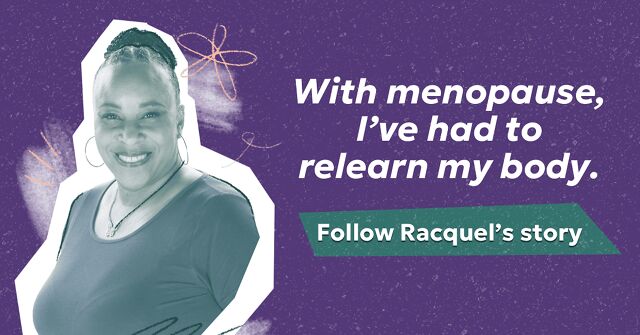
The truth is, we need to talk about it. This is my experience.
When I entered post-menopause, my libido began to change. At the same time, my husband was diagnosed with a pituitary tumor, and the medication he needed changed his behavior. Suddenly, we were both navigating major life changes, and the emotional stress amplified my menopause symptoms.
When everything felt complicated
There were days when intimacy was the last thing on my mind. The emotional stress I was carrying affected every part of my life, including my libido. Everything was happening all at once.
I began to experience physical changes that made intimacy even more difficult. So I decided to speak with my doctor about the issues I was having, and she prescribed vaginal estrogen. While it did help improve my day-to-day comfort, unfortunately, I started having frequent yeast infections and urinary tract infections, symptoms that at the time I had no idea were affiliated with menopause.

I also began reacting to many water-based lubricants, which added another layer of frustration. Eventually, my gynecologist suggested I try coconut oil because it's a naturally antibacterial lubricant. She explained that it could be used as often as I needed, whether as part of my daily routine or during intimacy. That was the best advice ever. It reduced so many of the issues I'd been having, and I've been using it ever since.
It's not just physical - it was emotional for me
But here's the truth. The emotional side of menopause was just as challenging for me as the physical side, and it affected my libido in ways I hadn't expected. It felt like one issue after another, and the weight of it all became overwhelming. The last thing I wanted to do was be intimate. In fact, for a period of time, I didn't even want to think about it. I was so stressed, because I knew it was affecting my relationship and it was exhausting.
It was a very challenging time for both my husband and I, so we decided to go to counseling. Those sessions gave me a safe place to talk honestly about everything I was dealing with. It was then that we learned my husband's medication was causing additional side effects we hadn't fully understood before then.
To complicate matters even further, this was during COVID, and there were five adults living together in a relatively small house. I was doing my best to keep up the appearance that everything was okay for everyone else, even though I knew it wasn't okay for me.
I had always believed that our relationship was about much more than physical intimacy. It was also about emotional connection. Once my husband understood everything I was going through, we were able to begin working through things together instead of carrying it as individuals.
What I came to understand was that when we're not feeling our best as individuals, that's what we naturally bring to our relationships, so we both had some inner work to do.
What I learned about intimacy
One of the biggest lessons I learned during this time of my life, was that libido is about so much more than just desire and sex drive.
It's about intimacy. It became being able to say, "This is what I'm feeling," without worrying about being judged or misunderstood. It became listening to each other, supporting one another, and recognizing that we were both trying to find our way through a very difficult time.
We got through it because we kept talking, kept listening, and kept choosing each other through one of the most difficult times of our marriage.
I learned how important it was to communicate what I was experiencing, both physically and emotionally. I also came to understand that my husband wasn't a mind reader. He couldn't possibly know what I was feeling unless I was willing to tell him.
Sometimes, I had to be the one to say, "I'm sorry, I'm just not feeling it today," and explain why. Those honest conversations replaced confusion with understanding and helped us move forward together.
Conclusion
Menopause certainly affected my libido, but, for me, it wasn't influenced by hormones alone. It was shaped by stress, depression, physical symptoms, relationship challenges, and everything else I was navigating at the time.
Once I began focusing more on my own healing, I realized I had been allowing my circumstances and symptoms to consume my thoughts. As I shifted my focus toward my own mental and emotional well-being, I began to experience the joys of life and being in a relationship again.
Join the conversation