
Navigating Chronic Stress and Perimenopause

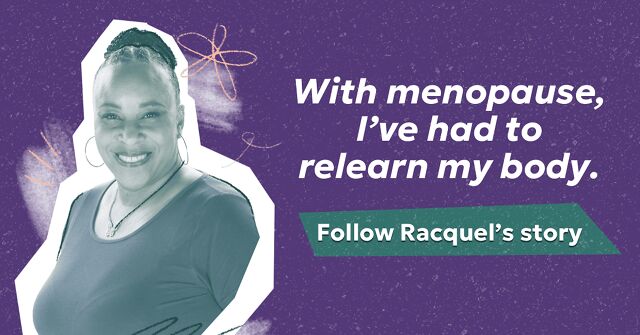
I was several years into perimenopause when I joined a support group for people who live with chronic pain. I’d recently had a hysterectomy, and the physical therapist I was working with recommended the program. We were a small group of women over fifty.
It wasn’t long before the revelation sank in: I’m more of a people-pleaser than I thought, and being a people-pleaser is rooted in a stress response. There’s a deep connection between how I held stress and its effect on my experience with perimenopause. I’d recently been diagnosed with complex PTSD (CPTSD) and learned about how chronic stress impacts health. That helped me understand why I was struggling so much.
I’d spent many years in a high-intensity career with multiple side hustles, and easily spent 60 to 80 hours a week working. I’d also been afflicted with countless medical issues that seemed random.
The stress engine
The Hypothalamic-Pituitary-Adrenal Axis (HPA Axis) is the hub that drives the stress response, and it influences the immune system as well as neurological, endocrine, cardiovascular, gastrointestinal, and musculoskeletal systems.1 When people live in a state of chronic stress, they’re more prone to developing a wide range of health problems. 2

Certainly, there are a variety of factors to developing health problems, such as genetics and environmental influences, but trauma and stress disrupt metabolism, quality of sleep, emotional states, and when all combined, it’s a lot for our systems to manage. Pair that with the fact that estrogen helps manage cortisol, and as estrogen starts to fluctuate and decline, it can make for a very rocky experience with perimenopause.
An avalanche of symptoms
Perimenopause started on the early side for me. By the time I was 43, hot flashes started to kick in and at first, it was similar to what my mom went through. But for her, it was a neat 10 years: 42 to 52, and then she was post-menopausal. She had hot flashes and some other symptoms, but her overall experience was much less burdensome than mine.
Vasomotor symptoms ruined me. Hot flashes, night sweats, my heart thumping all over the place, and then the gradual increase of my A1c and cholesterol started to plant red flags on my lab results.
A number of conversations with my primary care doc and other specialists drew the same conclusion: I was not a good candidate for hormone replacement therapy because I have a long and complicated history of adverse reactions to medications. I rode it out, but the consequences of being an overachieving, people-pleasing perfectionist caught up with me.
Melting down and seeking support
My crumbling emotional state prompted me to seek mental health support, and after describing my meltdowns and the past life events that drove them, I was asked to take an Adverse Childhood Experience assessment. The ACE test focused on types of abuse, economic circumstances, and other family influences, and a picture started to form.3 A CPTSD diagnosis followed.
Other diagnoses piled up over the course of a few years. By then, I was fortunate to have found a wonderful job that’s entirely remote. As I adjusted to life with disabilities, I found a supportive community, and together, we discussed the connection between perimenopause and the health issues that commonly appeared in people who shared similar backgrounds and lifestyles that were rooted in chronic stress.
When I think back to the support group I joined after the hysterectomy, I realize now that was the act of passing over the threshold into cronehood. There was a significant amount of mourning. For the past that cultivated this situation I found myself in, and for not understanding how much I truly struggled in my inner world for so many years.
The call of the crone
Lately, I’ve been enjoying an audio book series about the role of the crone across cultures. It’s a topic that I’ve fully embraced, and I’m now collecting stories about crones. Through somatic therapy and other treatments, I’ve come to find balance. I befriended my nervous system and check in often. How am I holding myself? Can I name the emotions that are present? What actions can I take to address whatever signals my body is trying to draw my attention to?
In my crone years, I’ve learned how to manage the stressful times better and have found a sense of peace I could never have imagined when I was younger. Learning to be kinder to myself alleviated so much of the pressure that controlled how I lived my life. My perimenopausal years were like navigating uncharted, stormy seas. Now that I’ve found a safe harbor, I hope to share the lessons I’ve gained with anyone who may find them relatable and helpful.
Join the conversation