



Advocating for Yourself in Medical Spaces

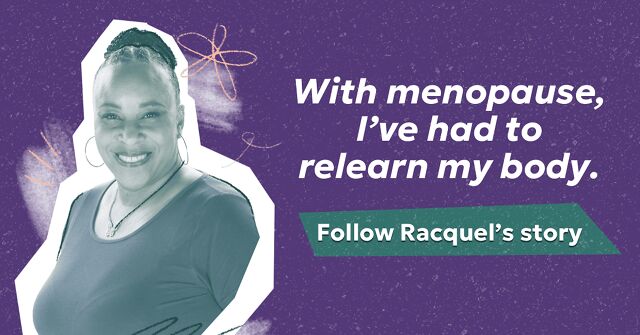
By the time I realized something was wrong, I was exhausted. Not “I need a nap” tired. I’m talking about bone-deep fatigue, brain fog, body aches, irregular periods, and mood shifts that made me question everything. I wondered if it was stress, grief, or even my bipolar disorder shifting. Then my therapist said the word that changed everything: perimenopause.
Like many women, I thought menopause was something that happened much later
I had no idea perimenopause was the “soft launch” of menopause, the transitional phase before menopause itself, when hormones begin fluctuating and your body starts remixing its entire operating system in real time. Menopause is officially diagnosed after 12 consecutive months without a period, but perimenopause can last up to ten years. TEN YEARS.
I did what any over-functioning Rich Auntie in crisis would do: I booked three appointments immediately—my psychiatrist, my PCP, and a menopause telehealth platform.
My psychiatrist prescribed an antidepressant to help with motivation and energy. My PCP ordered tests, including bloodwork, an MRI, and an endometrial biopsy for my irregular bleeding. I appreciated her thoroughness, but I needed relief fast. “We’ll see” felt like torture.
“We treat symptoms, not just bloodwork”
My telehealth appointment was only a few days later, and I almost canceled it. I am so glad I didn’t. That provider said something every woman needs to hear: “We treat symptoms, not just bloodwork.” Bloodwork can help rule out other causes of your symptoms like low iron, vitamin deficiencies, or thyroid issues.

I personally asked for labs to check my ferritin, iron storage, vitamin B12, thyroid, and vitamin D. I also asked my menopause specialist if there were any labs they wanted me to monitor now that I had already started HRT, so we checked my hormone levels too. But when it comes to diagnosing perimenopause itself, bloodwork often does not tell the full story because hormones fluctuate constantly. Perimenopause is often diagnosed clinically based on symptoms, patterns, and history.
Within 48 hours of starting hormone replacement therapy, I felt relief
I started on estrogen patches and oral progesterone, and the shift was almost immediate.
At my annual checkup, I told my PCP what the menopause specialist prescribed. She was surprised and explained they usually start patients on birth control pills because they contain both estrogen and progesterone. I asked, “Is there a problem with me taking it this way?”
She paused, then said, “No. That’s just the standard way we’ve always treated it. Birth control contains both estrogen and progesterone, and during perimenopause you can still get pregnant.”
What she did not explain was that birth control pills typically use synthetic hormones, while many menopausal hormone therapy options use bioidentical hormones like estradiol and micronized progesterone.5 They are designed differently and can affect women differently, which is why it is important to understand your options and ask questions.
It was at that moment that I was grateful I had done my own research and was informed enough to ask the right questions and understand what I did and did not want for my body.
Not all doctors specialize in perimenopause
Even OB-GYNs. Some providers are not up to date on the latest menopause research or treatment options. That does not make them bad doctors, but it may mean they are not the right doctor for this stage of your life.
If the first option presented to you is birth control without a conversation about alternatives, ask questions. Birth control pills may work well for some women, especially if cycle control or contraception is also needed, but they are not the same as menopausal hormone therapy. I wanted to understand the difference between synthetic hormones and FDA-approved bioidentical options, like estradiol patches and oral micronized progesterone. If treatment may be part of your life for several years, you deserve to understand the options clearly.
I probably looked like a doctor’s worst nightmare walking into my appointment with a long list of questions and a list of labs I wanted ordered because the internet told me to. But for once, the internet wasn’t completely useless. I could sense my doctor was a little...not irritated exactly, but more like, “If you like it, I love it.” But I was genuinely concerned, and I would rather be safe than sorry.
Perimenopause taught me that advocating for yourself is not being difficult. It is being informed. It is asking questions, getting second opinions, and refusing to accept “this is just aging” when your body is asking for help.
Technology gives us access to so much information, and it can get overwhelming. Sometimes the more you know, the more anxious you become. But sometimes, the more you know, the more comfortable you can live.
If you think you may be in perimenopause and are struggling to get answers, here’s my advice:
- Track your symptoms.
- Do not rely on bloodwork alone.
- Ask direct questions.
- Get a second opinion.
- Consider a menopause specialist.
- Trust your body.
Ask your doctor to explain the difference between birth control, bioidentical hormone therapy, oral medications, and patches so you can make an informed decision.
Sometimes you have to put on your Rich Auntie glasses and save yourself.
Join the conversation