
Double Trouble: When Menopause Meets Lupus

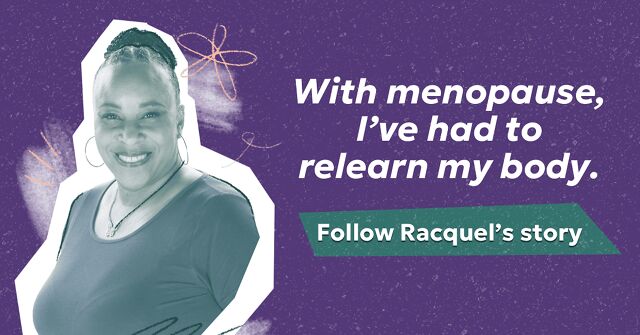
Life with a chronic illness is hard. I already deal with pain, stress and tired days. I was 43 when I had to have an emergency hysterectomy. Bleeding out in heavy pain, my uterus was attacked by the lupus in my body. After my surgery and recovery my life totally changed.
The body I didn’t ask for
I already had rashes and extreme fatigue. They have been my buddies for a while. When menopause knocked on the door, I thought sure, why not come on in and join the party. Now, they share a couch, conversations, and argue about who wants to hit me first.
Why it feels harder
Having lupus and a few other comorbidities make the introduction of menopause more complex. First, I already feel worn out. Second, stress can trigger lupus flares.
Sleep loss from hot flashes makes all my pain worse. Pain makes my sleep worse. It feels like a cruel loop and joke for sure. Also, some medications that I take for lupus can affect bone health. As I learn more about menopause, I know it raises the risk for bone loss too.

Double trouble the overlap
Lupus and menopause share a lot of the same symptoms. Both can cause joint pain, fatigue, brain fog and mood swings. Furthermore, each can disrupt sleep and make me feel like a stranger in my own body.
According to the Lupus Foundation of America, fatigue affects up to 90% of people with lupus. Meanwhile, menopause brings its own special brand of tired. So, when I wake up, I’m already exhausted. Truth be told, I never know who to blame so I just give them both the credit.
In addition, brain fog doubles. Lupus fog makes me lose words. Menopause fog makes me forget why I walked into the room. One time, I put my phone in the fridge. There I stood proud. My phone was safe and cold.
Another fun overlap are the hot flashes. Lupus can cause fevers and flushing. Menopause brings hot flashes and sweat-fests. Together, they turn my body into an unpredictable furnace. My thermostat always feels broken with an expired warranty.
Telling them apart
So how do I tell what is lupus and what is menopause?
My lupus symptoms often come in flares. They tend to link to triggers like the sun,
stress, or illness. Flares also bring on my butterfly rash and that only belongs to lupus.
Menopause symptoms, on the other hand, tend to build up slowly over time and stay a
bit longer. The hot flashes, night sweats, specific hip pains, stay steady instead of
spiking and then fading like lupus flares.
Coping with both
I know it’s important to find ways to cope daily. Ultimately, I focus on what I can control.
- First, I track my symptoms. I write down time, pain level, sleep, food, and mood.
- Second, I look for patterns. If pain comes with swelling, rash or fever, I think lupus. If I wake drenched with a flushed face, I think hot flash.
- Third, I pace myself. On hard days, I rest without guilt. I remind myself that my body is dealing two hard things at one time.
- Fourth, I cool my space. A fan, light clothes and cold water help with my hot flashes and some lupus flares.
- Fifth, I move my body in small ways. Gentle walks indoors or outdoors help my joins and mood. Being a former athlete, I know light strength work helps my bones. I find movement helps in easing the intensity of my hot flashes and help me with getting a good night’s rest.
- Finally, I talk to my care team. Constant communication with my rheumatologist and gynecologist helps us all be on the same team and get the full picture.
Most of all, I give myself grace. Some days I cancel plans. Other days I laugh at my own chaos.
Finding humor, power, and peace with it all
I choose to laugh before I cry when I can. I mean I have a disease that attacks my body and hormones that have also decided to join the party.
Menopause and lupus both love to surprise me, so, I stay ready. If I cry at a dog food ad, I blame my hormones. If I nap at 2 p.m., I blame lupus. If I forget why I cried, I blame both. Humor helps me cope. It doesn’t fix the issues, but it sure lifts it.
I’ve learned to read my body. This has helped me gain back some power and peace. This isn’t the body I planned on. But it is mine and I’m learning to work with it, one symptom at a time. And if all else fails, I keep the fan close.
Join the conversation